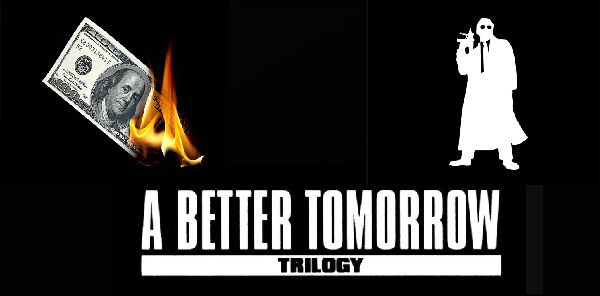
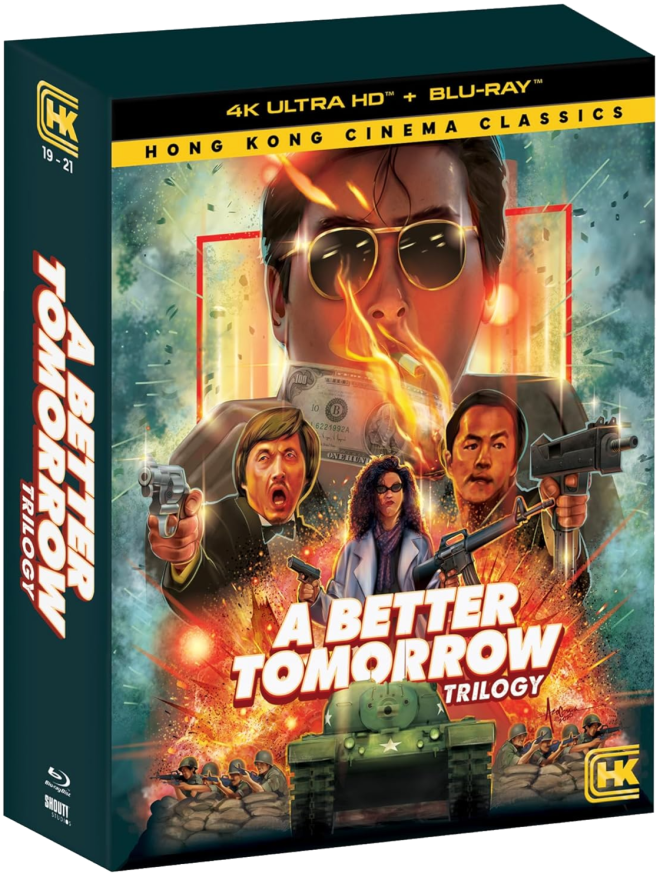
A Better Tomorrow Trilogy - Hong Kong Cinema Classics 4K UHD
A beloved classic of Hong Kong action cinema, the A Better Tomorrow trilogy features Chow Yun-fat in a career-defining performance but is probably best remembered for John Woo in the early stages of developing his signature visual style, while Tsui Hark's third entry works best as a standalone historical drama. Just shy of its 40th anniversary, Shout! Factory brings all three films to 4K Ultra HD with outstanding Dolby Vision HDR and DTS-HD MA mono presentations, a slew of new bonus material, and two longer versions of the sequels. The overall UHD package is Highly Recommended.
Storyline: Our Reviewer's Take
A Better Tomorrow
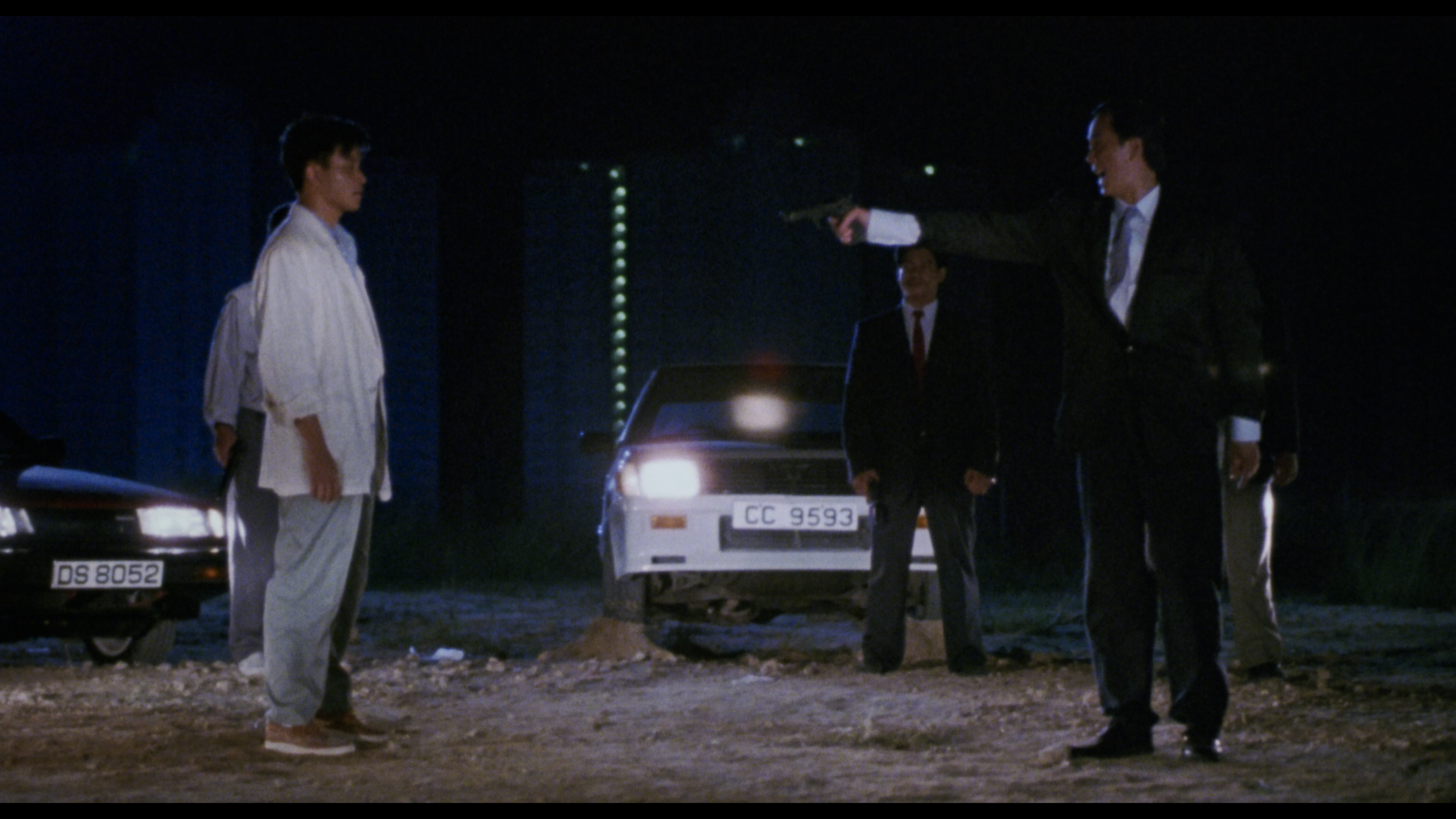
Bluntly put, John Woo's A Better Tomorrow is a classic Hong Kong actioner that reshaped the genre and essentially gave birth to "gun-fu." Or at least, it demonstrates the early stages of Woo's signature style. Many sequences display his particular aesthetic slowly developing, a carefully choreographed ballet of violence that turns gunfights into operatic showpieces of ferocity and brutality. The restaurant shootout where Mark (Chow Yun-fat) unleashes bloody chaos on the gangsters who double-crossed Ho (Ti Lung) is a legendary moment where Woo practically announced his arrival. The carnage is mixed with his now-familiar slow-motion flair while Mark wields two guns and bodies fly through glass and tables. This film laid the groundwork for future projects, like The Killer, Hard Boiled, Face/Off and Mission: Impossible II, and we see Woo basically testing out his unique style that would make him a legend.
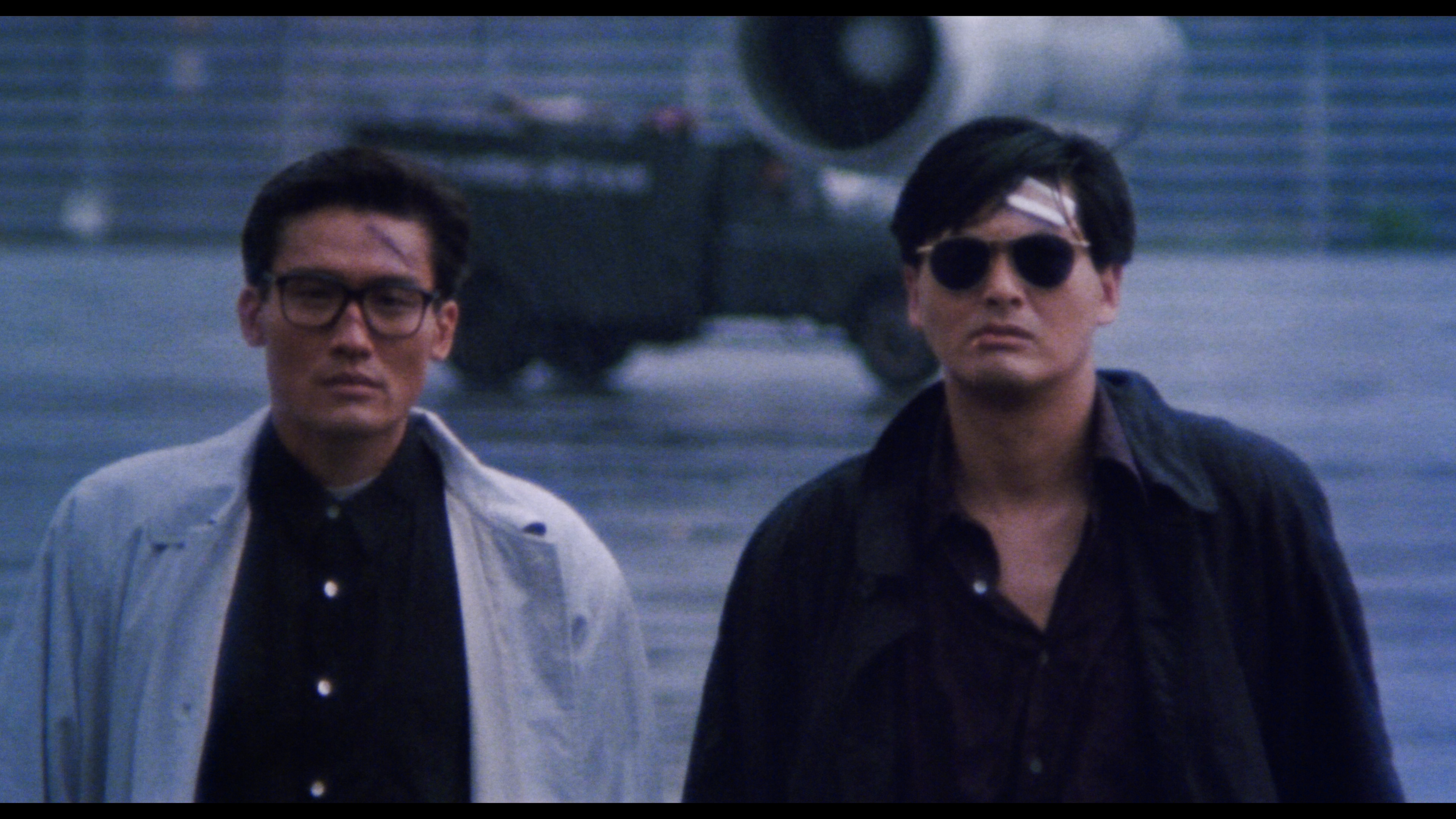
But what really makes the movie a special standout is the dramatic plot that Woo co-wrote with Chan Hing-ka and Leung Suk-wah, which is loosely inspired by The Story of a Discharged Prisoner (1967). He places as much attention on the characters, their development and their emotional turmoil as he does on staging big operatic action sequences. The conflict between Ho and his cop brother Kit (Leslie Cheung) is a heartbreaking tragedy caused by Ho's criminal connections, providing the central conflict that makes the brutal violence matter. Meanwhile, Mark and Ho's deep and loyal friendship is the heart and soul of the story that raises the poignant stakes in the second half. Ti's Ho is a grim and beaten convict trying to go straight but pulled back to a life he'd rather forget. And Chow's Mark appears calm and reserved, but he is bubbling with a volcanic rage that's ready to erupt. Their charm and chemistry are ultimately what ground Woo's early stylistic spectacle. (Movie Rating: 4.5/5)
A Better Tomorrow II
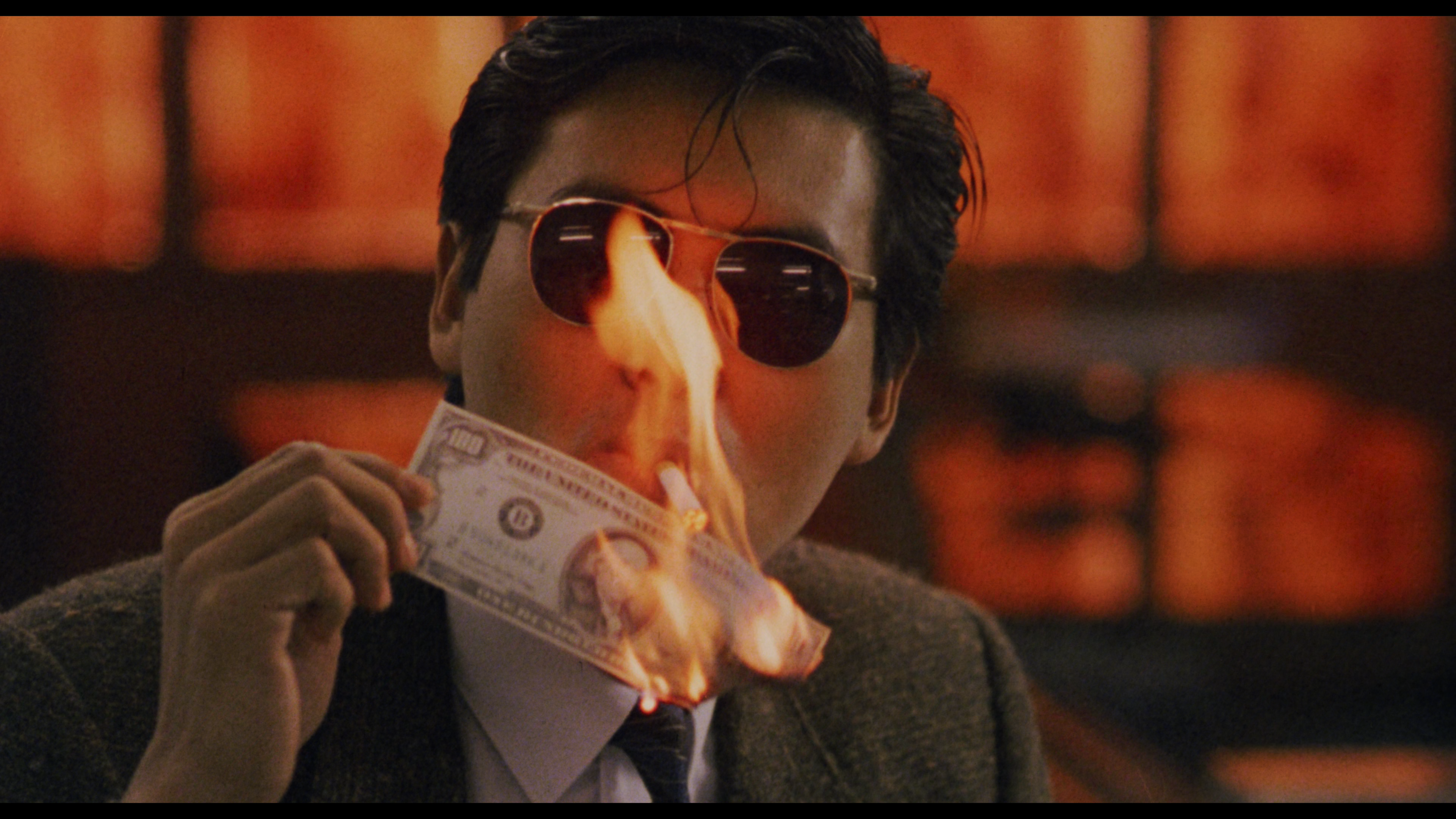
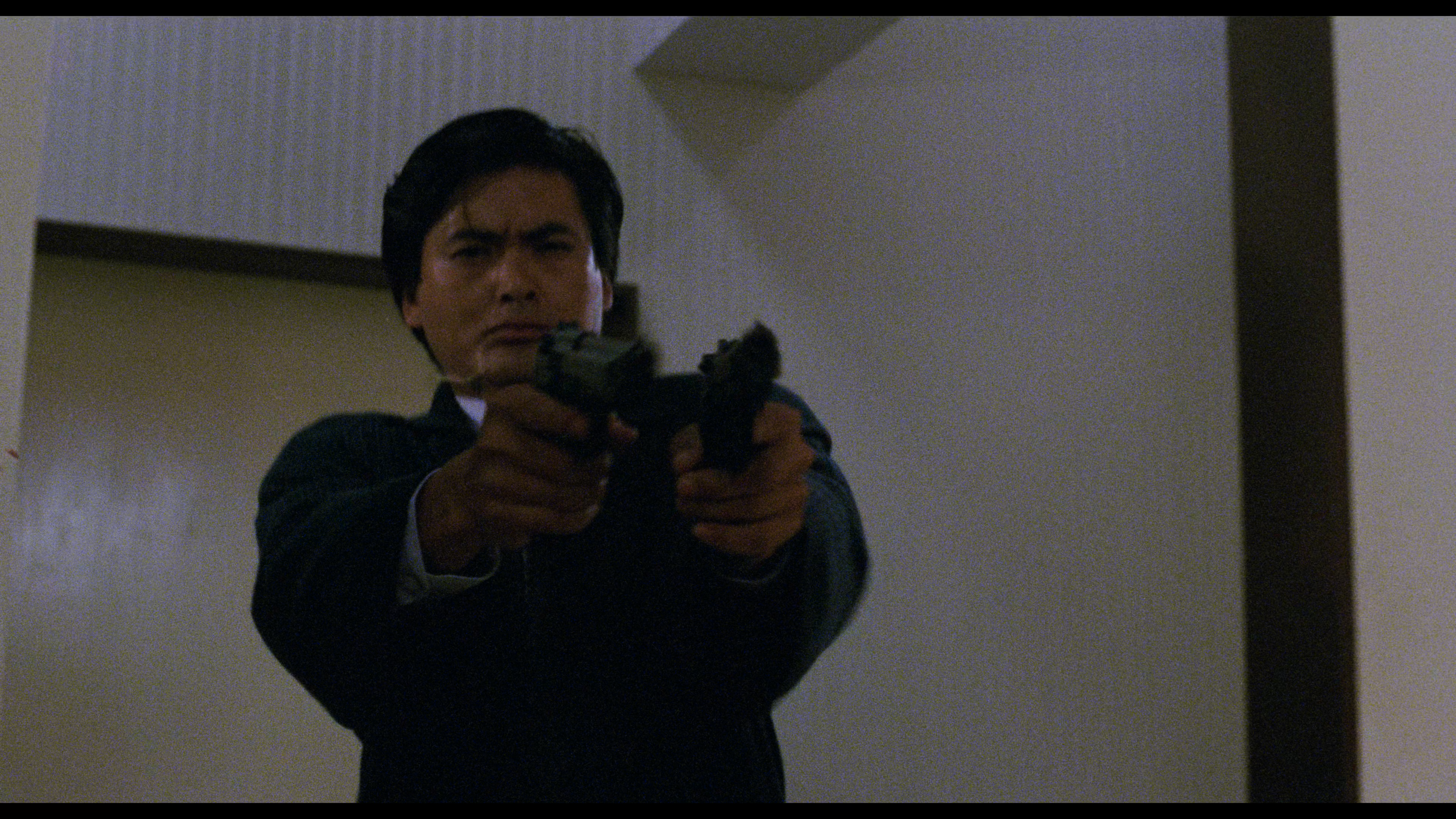
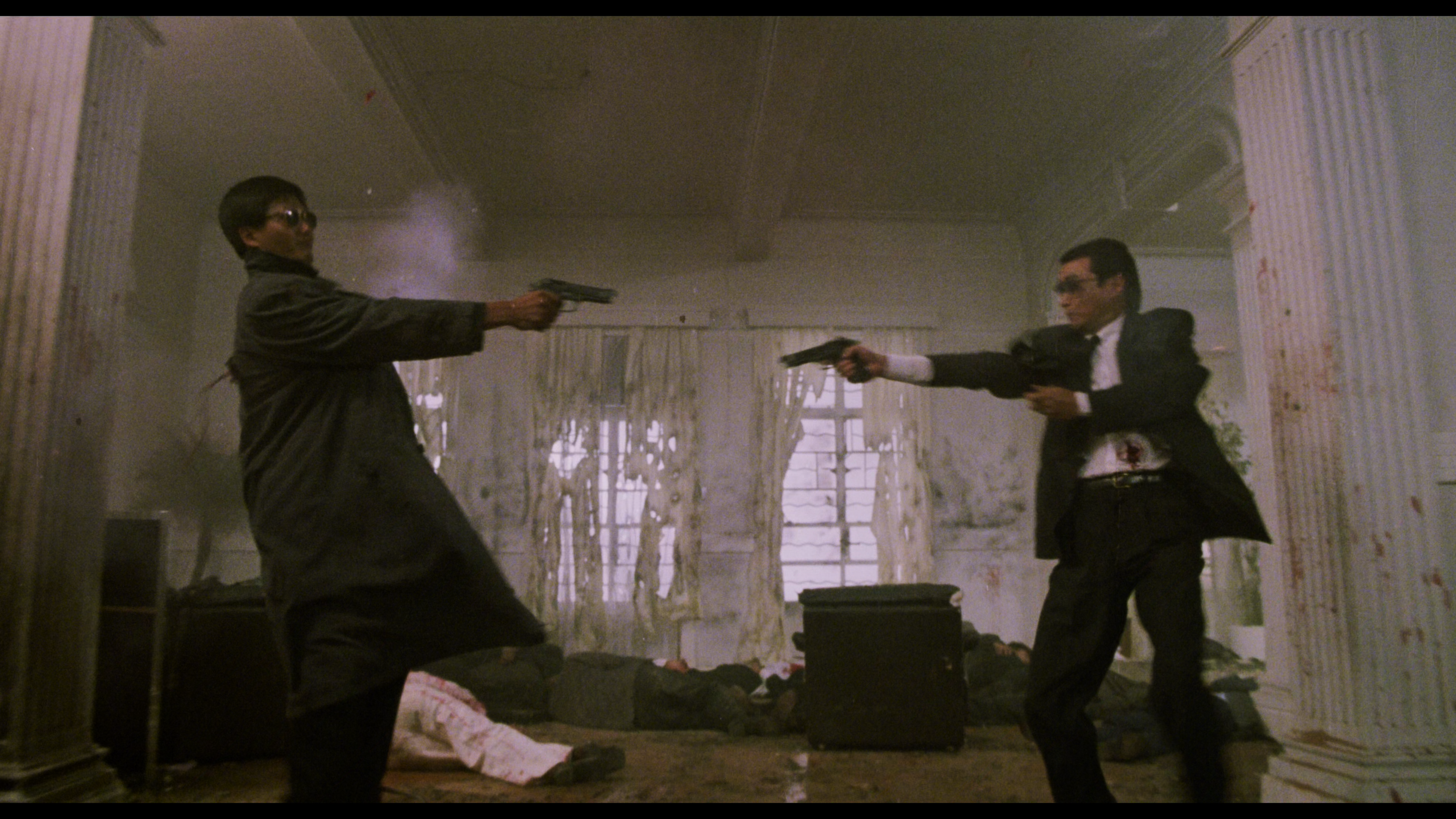
In A Better Tomorrow II, John Woo continues experimenting with what later becomes his trademark operatic violence, and honestly, watching him push further in this direct follow-up is worth the price of admission alone. And as a fan, it's pretty cool seeing him in these early stages of perfecting his signature style and orchestrating his balletic gunfights. The slow-motion shootouts are more elaborate while the body count increases, showing the director leaning heavily into the stylistic mayhem he's best known for. The final climactic showdown in Ko's (Kwan Shan) mansion erupts in explosions, double-fisted pistol action, and ridiculously extended moments of tension, like the gunfight between Ken (Chow) and the mysterious hitman Chong (Lung Ming-yan). It is evidence of a confident filmmaker revolutionizing on-screen violence into captivating visual poetry.
Unfortunately, the plot fails to match the original's emotional punch by leaning too much into the melodrama. The whole surprise twist that Mark has an identical twin brother in the U.S. is eye-rolling at best and cringe-inducing at worst. And this is especially the case when Chow eventually ends up playing the same character by the end of the second act, donning the blood-soaked, bullet-ridden trench coat, matchstick dangling from his lips, and the same mannerisms from the first movie. The New York mob sequences feel tacked on and frankly nonsensical, pushing the melodrama into soap opera territory and straining believability to its breaking point, particularly the Lung Sei (Dean Shek) storyline, going from mental breakdown to sudden badass gangster. It's almost like watching two different movies forced into a single overarching narrative.
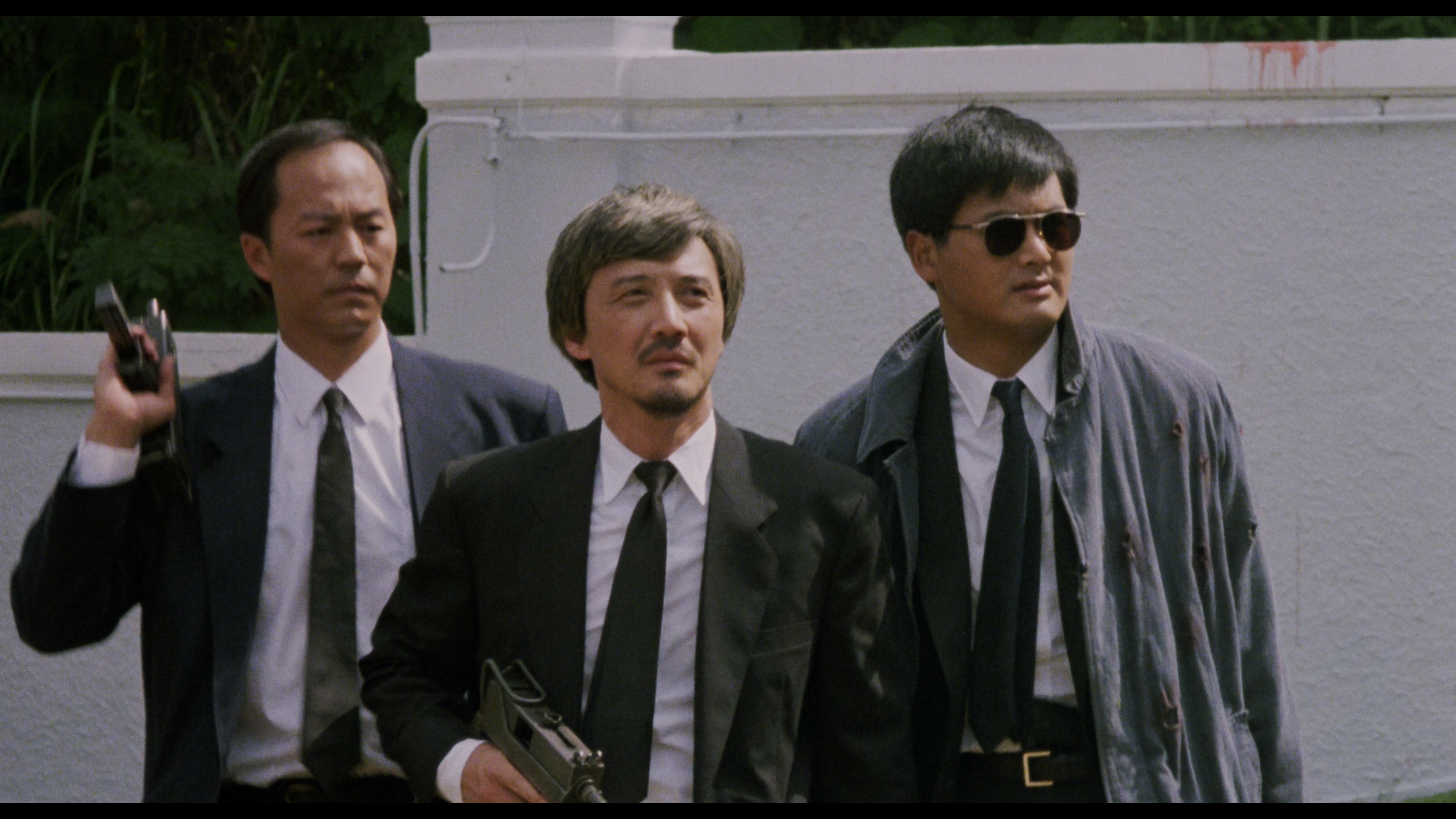
As is often the case, the behind-the-scenes drama best explains the plot's shortcomings and the production overall. Woo and producer Tsui Hark, who is also credited as a cowriter here, disagreed on the direction of the movie and which character should be the central focus. Their disagreement led to both filmmakers editing the final version and parting ways for another sequel, with Tsui going on to write and direct that third entry. Meanwhile, Woo took his idea for part three to make Bullet in the Head and also went on to write and direct The Killer without Tsui's financial support. Nevertheless, I have to admit that despite the pulpy, over-the-top and occasionally wince-inducing story, the sequel remains a fun watch, primarily due to Woo's action choreography, which is so spectacularly unhinged that it carries us through the maudlin, bumbling plot. (Movie Rating: 3/5)
A Better Tomorrow III: Love & Death in Saigon
On the surface, a prequel to the iconic A Better Tomorrow series was not really necessary, and still is not, but Chow Yun-fat's Mark was a popular enough character that another movie felt warranted. After the messy production drama that plagued the previous chapter, producer Tsui Hark took the reins as director and writer, borrowing some of the ideas John Woo had originally developed, which evolved into Bullet in the Head. Part of the movie's misstep as a sequel is that Tsui basically tries to do his best Woo impression and completely fails. As a franchise entry, Love & Death in Saigon is a weird one where Mark's entire backstory is essentially retconned, turning him from the lovable, loyal rogue into a naive goofball before life hardens him into the matchstick-chewing, trench coat-wearing badass we know. But I have to admit there is something genuinely fun about watching his transformation and the development of those iconic quirks, even if it doesn't quite mesh with what came before. The behind-the-scenes chaos clearly left some scars on the series, but Tsui surprisingly manages to pull something interesting out of the wreckage.
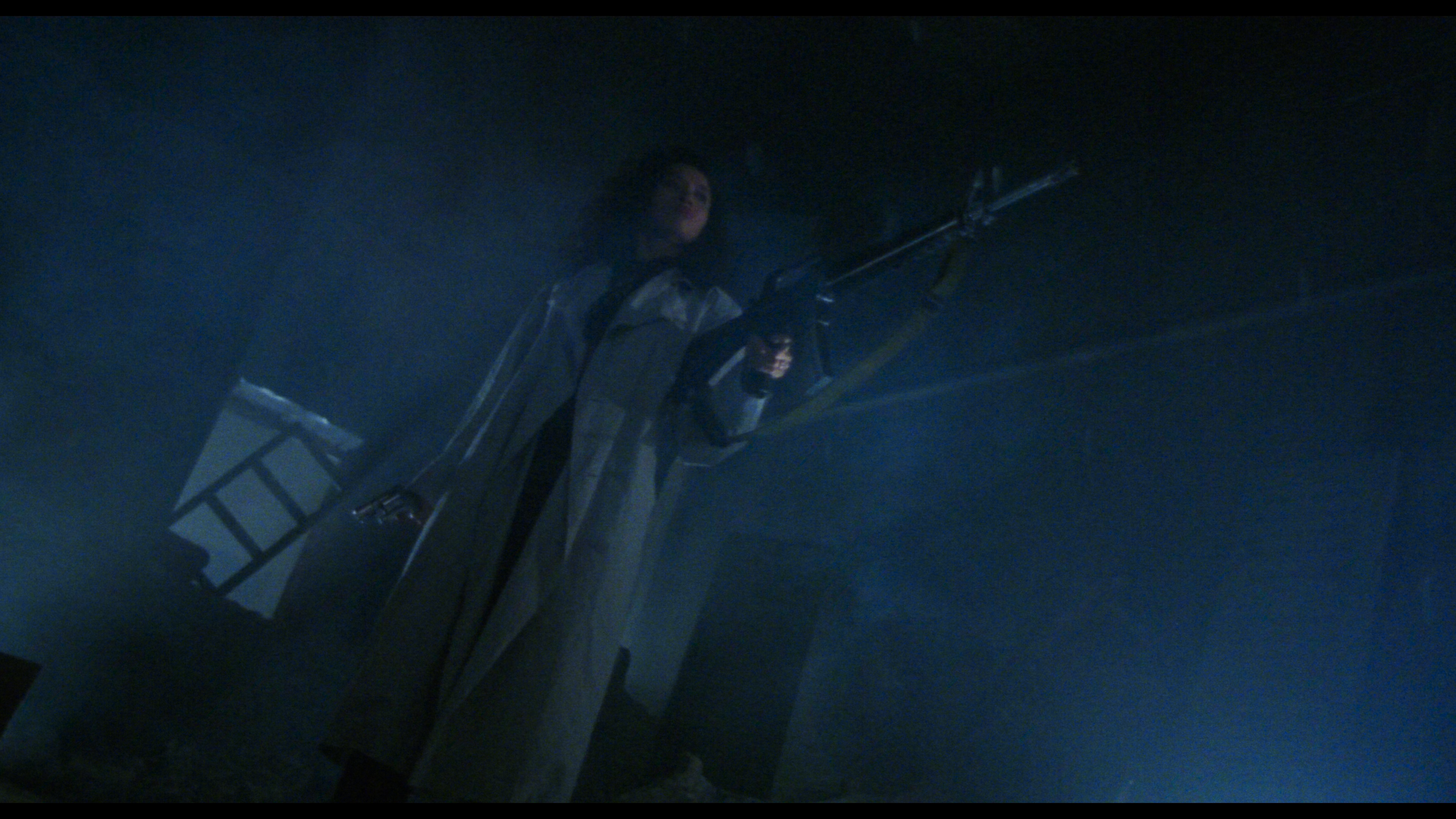
For me, if we set aside the franchise baggage, A Better Tomorrow III is actually a damn good standalone historical drama that just happens to be littered with violence and bloodshed. Honestly, I feel that Park Chan-wook nailed it when he reviewed the movie as wrestling with seriously heavy themes like immigration, national identity, nativism, cultural assimilation and feeling as though caught between worlds. This likely resonated with Hong Kong audiences at the time as the 1997 handover to China was looming over them. This is filtered through the love triangle between Mark, his cousin Michael (Tony Leung Ka-fai), and gangster Chow Ying-kit (Anita Mui), which grounds the plot with emotional weight and anchors the stylized violence. And it all builds toward a heartbreaking conclusion that is predictable given the events that preceded it, yet feels no less unexpectedly tragic.
As a prequel, A Better Tomorrow III makes for a wonky finale to the trilogy, but as a standalone feature, Love & Death in Saigon is a solid action drama with substance underneath the stylized operatic violence. (Movie Rating: 4/5)
Vital Disc Stats: The Ultra HD Blu-ray
Just shy of its 40th anniversary, Shout! Factory brings A Better Tomorrow Trilogy to 4K Ultra HD as a seven-disc collector's box set under their "Hong Kong Cinema Classics" label, spine numbers #19-21. Housed inside three separate black, eco-elite keepcases, three Region Free, triple-layered UHD100 discs are joined by three Region A locked, BD50 copies of each film, and the seventh disc is a BD50 disc containing a wealth of bonus features. The three keepcases are packaged in a sturdy cardboard, side-sliding slipcover with new artwork. At startup, each disc goes to a generic menu along the bottom with music playing in the background and the same static photo.
Video Review
A Better Tomorrow
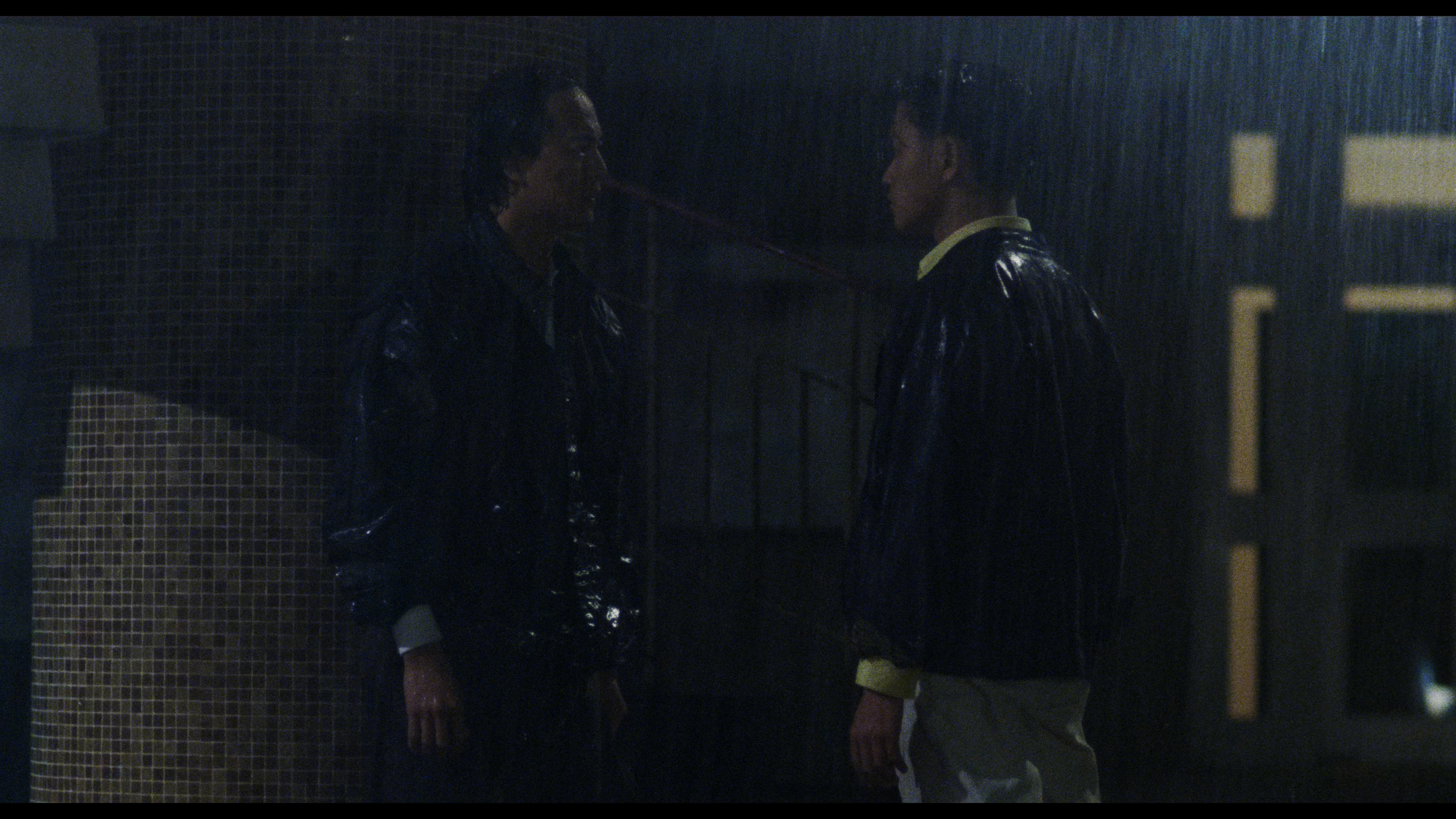
Fresh from a new remaster of the original camera negatives, the first movie kicks things off with a fantastic HEVC H.265 encode in Dolby Vision HDR and is awash in a thin layer of natural grain throughout. Fine lines and objects are sharper and more distinct although there are the occasional blurry, out-of-focus moments sprinkled here and there, which are inherent to the source. The boost in contrast allows for better clarity and visibility of the background information, and crisp specular highlights add an energetic pop to the hottest areas. Blacks are true and accurate with strong shadow details. Colors are accurately rendered and well saturated, particularly the reds and blues, making for a marked improvement over its HD SDR counterpart. (Dolby Vision HDR Video Rating: 90/100)
A Better Tomorrow II
Like the first movie, the sequel enjoys the same remaster of the original camera negatives, giving fans a beautiful-looking Dolby Vision HDR presentation. The native 4K transfer arrives with excellent sharp details and visibility of the background information, thanks to an improved contrast balance and vivid, narrow specular highlights. Colors are richly saturated with reds looking particularly animated and vibrant, and facial complexions are revealing and healthy with a lifelike peach-rosiness in the cast. Black levels are true and accurate with strong shadow details throughout, providing the 1.85:1 image with appreciable dimensionality. (Dolby Vision HDR Video Rating: 88/100)
A Better Tomorrow III
Coming from a new remaster of the original elements, the third entry in the series comes home with another top-notch encode, boasting sharper and more discrete details in the clothing and buildings. Granted, there is a fair amount of softness sprinkled throughout, which is inherent to the source, but resolution overall displays a marked improvement. Bathed in a thin, fine layer of natural grain, the enhanced contrast and brightness balance adds vivid specular highlights and richer black levels, providing the 1.85:1 image with appreciable depth and strong shadow details. The Dolby Vision HDR presentation supplies a more lively and dynamic array of colors with primaries looking especially vibrant and skin tones looking natural and lifelike. (Dolby Vision HDR Video Rating: 90/100)
Audio Review
A Better Tomorrow
The movie arrives to home theaters with what appears to also be a remastered DTS-HD Master Audio 2.0 mono soundtrack, which feels fuller and cleaner overall, and newly translated subtitles. Dynamic range exhibits excellent clarity and distinction during the loudest, action-packed segments, and the low-end adds a healthy heft and weight to the visuals. Background activity is more discreet and discernible, creating a slightly broader sense of space, and the vocals are precise and very well-prioritized. Overall, it's a fantastic listen. (Audio Rating: 88/100)
A Better Tomorrow II
Likewise, the sequel comes home with a great lossless mono soundtrack that displays excellent clarity and distinction in the mid-range, feeling fuller and cleaner than its predecessors. Bass is also a tad more active and punchy without seeming artificial, providing the action sequences with some heft and presence. With clear, precise dialogue in the center, the track is another fantastic listen. (Audio Rating: 88/100)
A Better Tomorrow III
On the audio front, the DTS-HD MA mono soundtrack offers a notable step-up, displaying a stronger presence with better clarity of the background details and a healthy, satisfyingly hearty low-end. It also displays a surprisingly extensive midrange that maintains excellent definition into the higher frequencies. With excellent, precise vocals that are never drowned out or show any notable anomalies, the lossless mix is a fantastic complement to the visuals. (Audio Rating: 90/100)
Special Features
For this UHD edition, Shout! Factory unleashes the action classic with a slew of brand-new bonus material that is exclusive to this release.
A Better Tomorrow
UHD Disc
- Audio Commentary features film producer and critic James Mudge
Blu-ray Disc
- Audio Commentary with Mudge
- Better than the Best (HD, 34 min) is an interview with director John Woo
- Better and Bombastic (HD, 23 min) is an interview with filmmaker Gareth Evans
- When Tomorrow Comes (HD, 21 min) is an interview with co-screenwriter Chan Hing-ka
- Hong Kong Confidential (HD, 18 min) is an interview with author and screenwriter Grady Hendrix
- Between Friends (HD, 8 min) is an interview with producer Terence Chang
- Thoughts on the Future (HD, 8 min) is an interview with uncredited writer Gordon Chan
- Image Gallery (HD)
- Trailers (HD)
A Better Tomorrow II
UHD Disc
- Audio Commentary sees Mudge returning to share his thoughts
Blu-ray Disc
- Audio Commentary with Mudge
- A Tumultuous Tomorrow (HD, 26 min) is an interview with Woo
- Better Than Ever (HD, 19 min) is an interview with film historian Frank Djeng
- Hong Kong Confidential (HD, 10 min) is an interview with author and screenwriter Grady Hendrix
- Image Gallery (HD)
- Trailers (HD)
A Better Tomorrow III
UHD Disc
- Audio Commentary features author and film critic David West
Blu-ray Disc
- Audio Commentary with West
- Third Time Lucky (HD, 25 min) is an interview with screenwriters Jason Lam Kee-to and Lau Tai-muk
- All Our Tomorrows (HD, 23 min) is an interview with Hong Kong filmmaker and academic Gilbert Po
- Nam Flashbacks (HD, 17 min) is an interview with Vietnam War researcher Dr. Aurélie Basha i Novosejt
- Hong Kong Confidential (HD, 10 min) is an interview with author and screenwriter Grady Hendrix
- Image Gallery (HD)
- Trailer (HD)
Bonus Blu-ray Disc
- Long-Lost A Better Tomorrow II Workprint (HD, 140 min) features over 30 minutes of never-before-seen footage that had been thought to be lost and is presented here in Cantonese DTS-HD Master Audio 2.0 mono with English subtitles
- A Better Tomorrow III – Taiwanese Cut (HD, 130 min) is the infamous complete uncut version of the film in Cantonese DTS-HD Master Audio 2.0 mono with English subtitles
The A Better Tomorrow trilogy remains a beloved classic of Hong Kong action cinema featuring Chow Yun-fat in a career-defining performance that solidified him as a star. However, the trilogy is arguably best remembered for John Woo essentially developing his signature visual style in the first two entries, gradually perfecting the slow-motion shootouts, balletic gunfights and operatic violence that he's known for. Meanwhile, Tsui Hark's third entry works best as a standalone historical drama that features loads of violence and bloodshed. Just shy of its 40th anniversary, Shout! Factory brings all three films to 4K Ultra HD with outstanding Dolby Vision HDR presentations and excellent DTS-HD MA mono tracks. With a whole new slew of bonus material and two longer versions of the sequels, the overall package is Highly Recommended.
All disc reviews at High-Def Digest are completed using the best consumer HD home theater products currently on the market. More about the gear used for this review.
-
 Strange Bedfellows: Why Horror is a Natural Fit for 4K UHD & Blu-ray Physical MediaBy:
 -
 Turbine Is Back In Action for John Watts’ ‘Clown’ on 4KUHD Mediabook November 13th!By:
 -
 The Horror of 'Clown in a Cornfield' Comes Home With A 4K UHD SteelBook from RLJE Sept. 9th!By:
 -
 Turbine Sinks Their Fangs into Our Necks With NEW Renfield and Abigail 4K UHD Mediabooks!By: