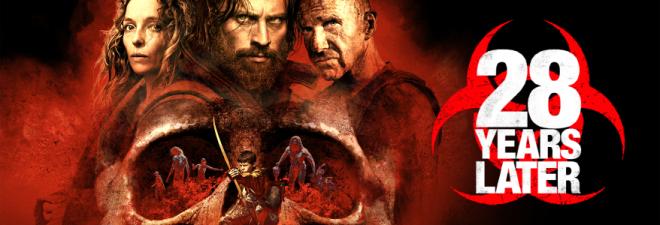
28 Years Later - 4K Ultra HD Blu-ray SteelBook
It took 28 Days for the United Kingdom to fall into chaos. In the aftermath, a pocket of humanity tries to chin up and carry on in Danny Boyle’s 28 Years Later. Pulling the franchise out of the ashes, Boyle and writer Alex Garland steer the film into a grim coming-of-age tale as a young boy attempts to find help for his ailing mother in a world out to rip him to pieces. On 4K UHD, the film offers an impressive Dolby Vision transfer, a fantastic Atmos mix, and a respectable assortment of extras. Recommended
Storyline: Our Reviewer's Take

Franchise filmmaking is never an easy prospect. It’s certainly more difficult when the IP has been dead for eighteen years. As fans have clamored for more entries in the 28 Incremental Units of Time franchise (not the Sandra Bullock one, although it’d be funny as hell if she made an appearance), rights holders got in the way as Danny Boyle tackled other projects and screenwriter Alex Garland established himself as a formidable genre writer/director all his own. Timing is key, and after the rights changed hands to Sony and various schedules opened up, Boyle and Garland reteamed to reinfect audiences with the Rage virus with a new trilogy of films.
Skipping the months, we head right on into 28 Years Later. In this world, humanity has beaten back the infected from all inhabited continents and cornered the infected onto the British mainland. The island nation was already lost to infection after the disastrous attempt to recolonize, making it the perfect quarantine zone. No one goes on; most importantly, no one gets off. But pockets of humanity left behind have found a way to thrive.
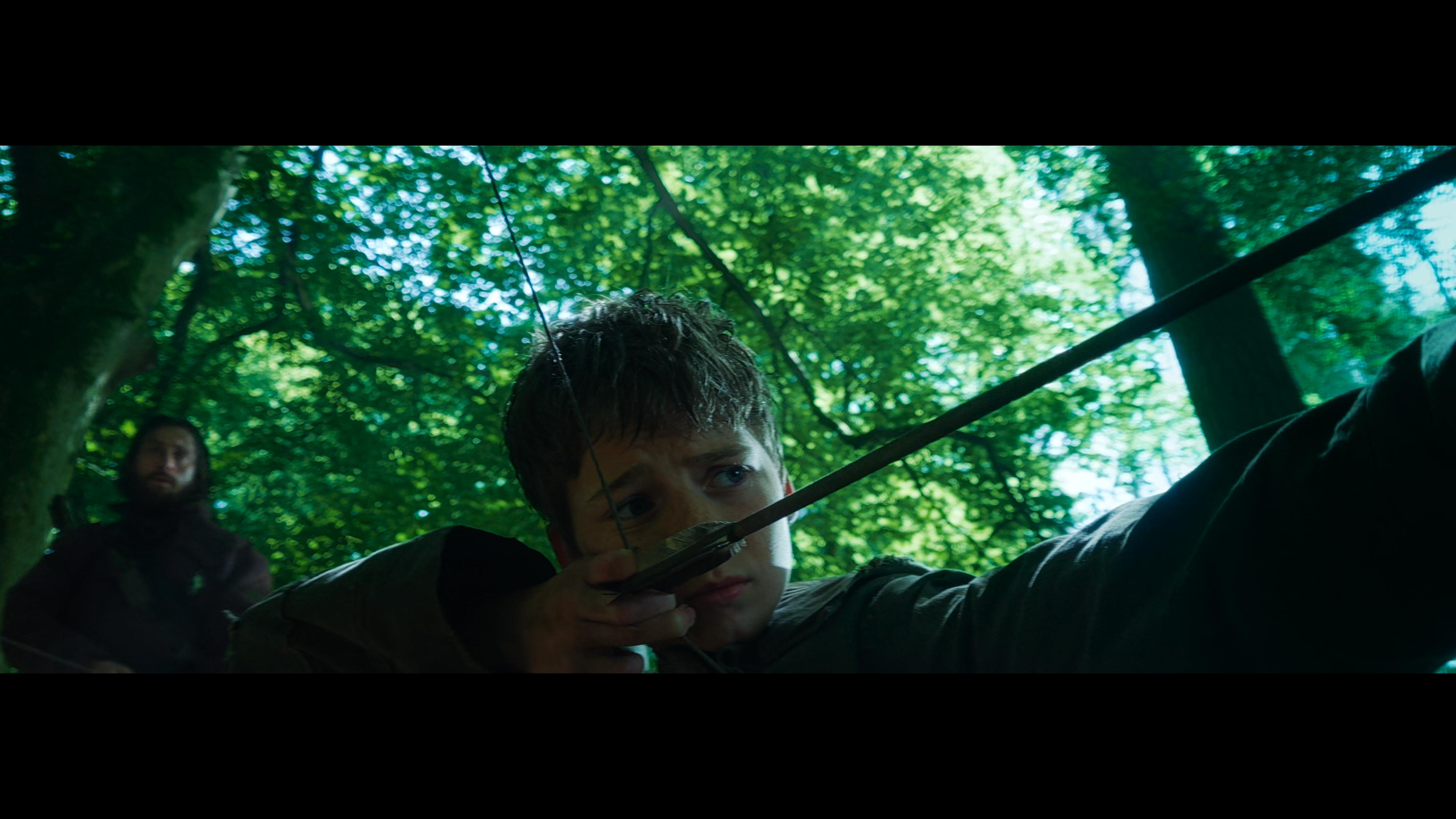
In one island community that’s learned to survive off the land, young Spike (Alfie Williams) is about to pass into manhood when he and his father Jamie (Aaron Taylor-Johnson) trek to the mainland at low tide to forage for supplies. Most importantly, Spike will kill his first Infected. It’s on this journey that Spike learns of the deranged Doctor Kelson (Ralph Fiennes) living in the wilds. A man who just might be able to help Spike’s critically ailing mother, Isla (Jodie Comer).
All credit to Boyle and Garland for finding an exciting new direction for the franchise without going about the already well-rinsed, washed, and repeated “zombie” movie structure. In the time since the first film, the Zombie genre has clawed and bitten its way into a cinematic mainstay. There are so many tropes and cliches with this sort of film that a coming-of-age story turned out to be the right key to unlock further 28 Time Increment adventures. It was refreshing and meaningful that a film chose to tell a simple story about a young boy unwilling to accept his mother’s unfortunate fate against an apocalyptic backdrop.
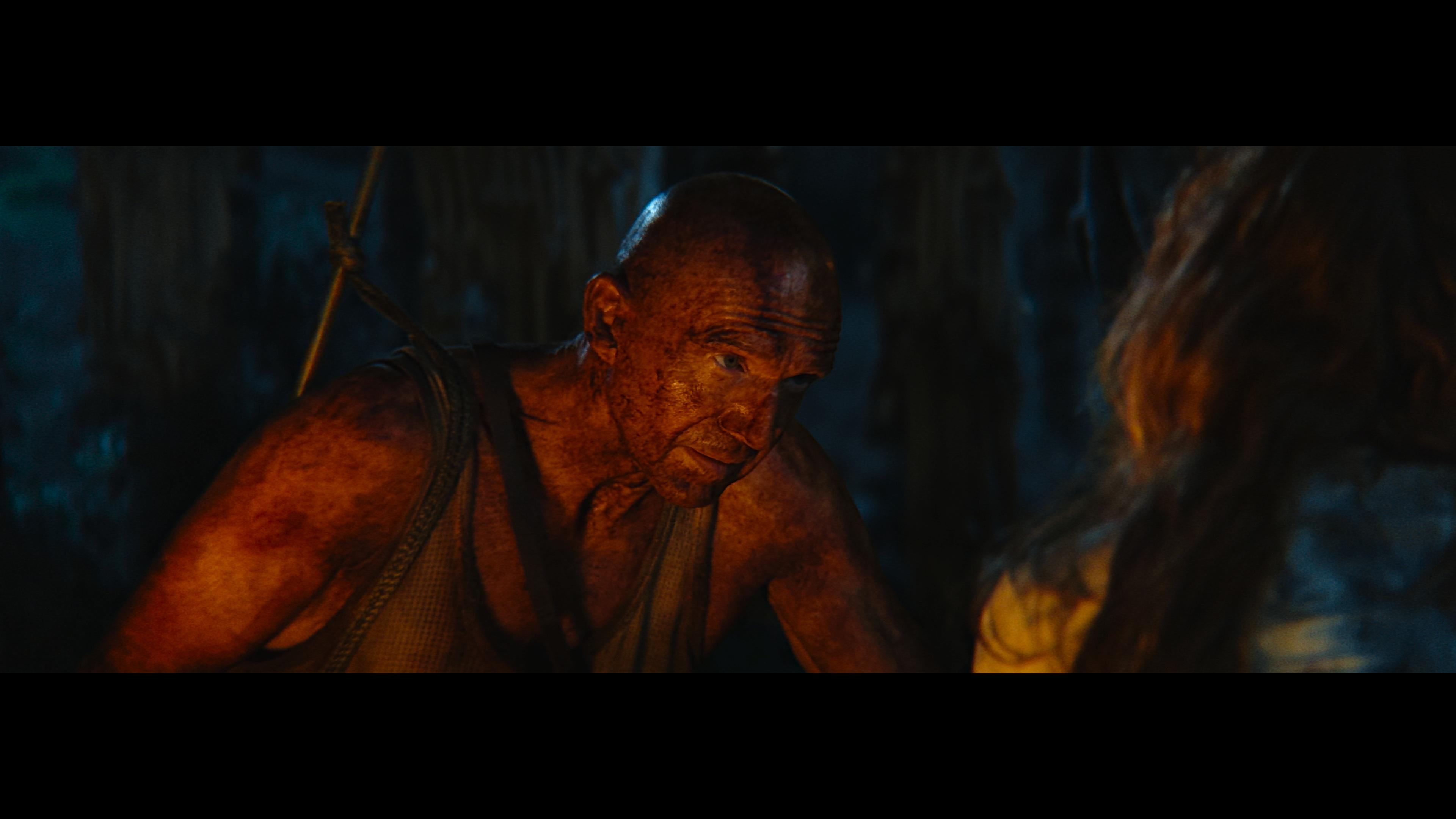
The cast for this story brings their A-game. An actress like Jodie Comer needs no more accolades given her career trajectory, but she’s again in fantastic form. I felt like this was a genuine welcome turn for Aaron Taylor-Johnson as a father who can kill a charging infected but can’t bear to tell the truth to his son about Isla’s condition. Young Alfie Williams brings true innocence to his role as Spike, as he’s the emotional core of the film. While not the main player for this entry, Ralph Fiennes proves again that he’s well overdue for Oscar appreciation with one particularly emotionally gutting speech.
With so much right about 28 Years Later, where does it miss a step? While I appreciated the need for an evolving class of Infected with the seemingly unstoppable Alphas, the fat, crawling, bloated buggers were just…odd. I’ve watched the film four times through now, and I still don’t understand that choice. But the thing that really slides for me is Boyle getting too fancy with the photography.
I appreciated using less-than-cinema-quality cameras and shooting on high-end iPhone cameras as a sort of visual cousin to the original film, but I hated that bullet-time zip camera gag. It might have worked sparingly, but the film frequently stops the action so that 15 or so cell cameras mounted on a crazy steadycam rig can capture a brutal moment, like an arrow going through an infected’s head, in a jarring 180° shot. In repetition, it becomes stomach-churning; it took me out of the moment. Suspense dies. Tension dies. The horror of the moment is lost. It was an unnecessary gimmick in a film that didn’t need a trick like that to be impactful when the intensity of the moment was already delivering. A person can get punched in the face and keep standing, but all you have to do is stub your little toe to fall to the ground. That camera gag was the film’s stubbed toe for me.
Thankfully, a stubbed toe wasn’t enough to stop the film from being good. I appreciated that 28 Years Later shirked expectations. It didn’t spoonfeed the audience anything. I was even unnerved by how the film ended, with a peek at Jack O’Connell’s Savile-inspired Sir Jimmy, complete with a wild tracksuit and crazy hair (if you didn’t know who Savile was at the time or still don't, I can see how that might not land). That tease is more than justified as we wander into 28 Years Later: The Bone Temple...
Vital Disc Stats: The 4K Ultra HD Blu-ray
28 Years Later came out last September 2025 with a 2-disc 4K UHD + Blu-ray + Digital SteelBook edition. We were never sent a review copy (or it didn’t arrive; there was a whole bunch of shipping hoopla going on at that time). Either way, I didn’t get around to reviewing the copy I bought. Since we were already late to the game, it made more sense to just wait until The Bone Temple came out on disc - so here we are. The 4K UHD is pressed on a BD100 disc with a BD50 disc reserved for the 1080p and the bonus features. Both discs are housed in a slick SteelBook case with ashen bone-coloring and some rather dramatic logo artwork. Each disc loads to a static image main menu with basic navigation options.
Video Review
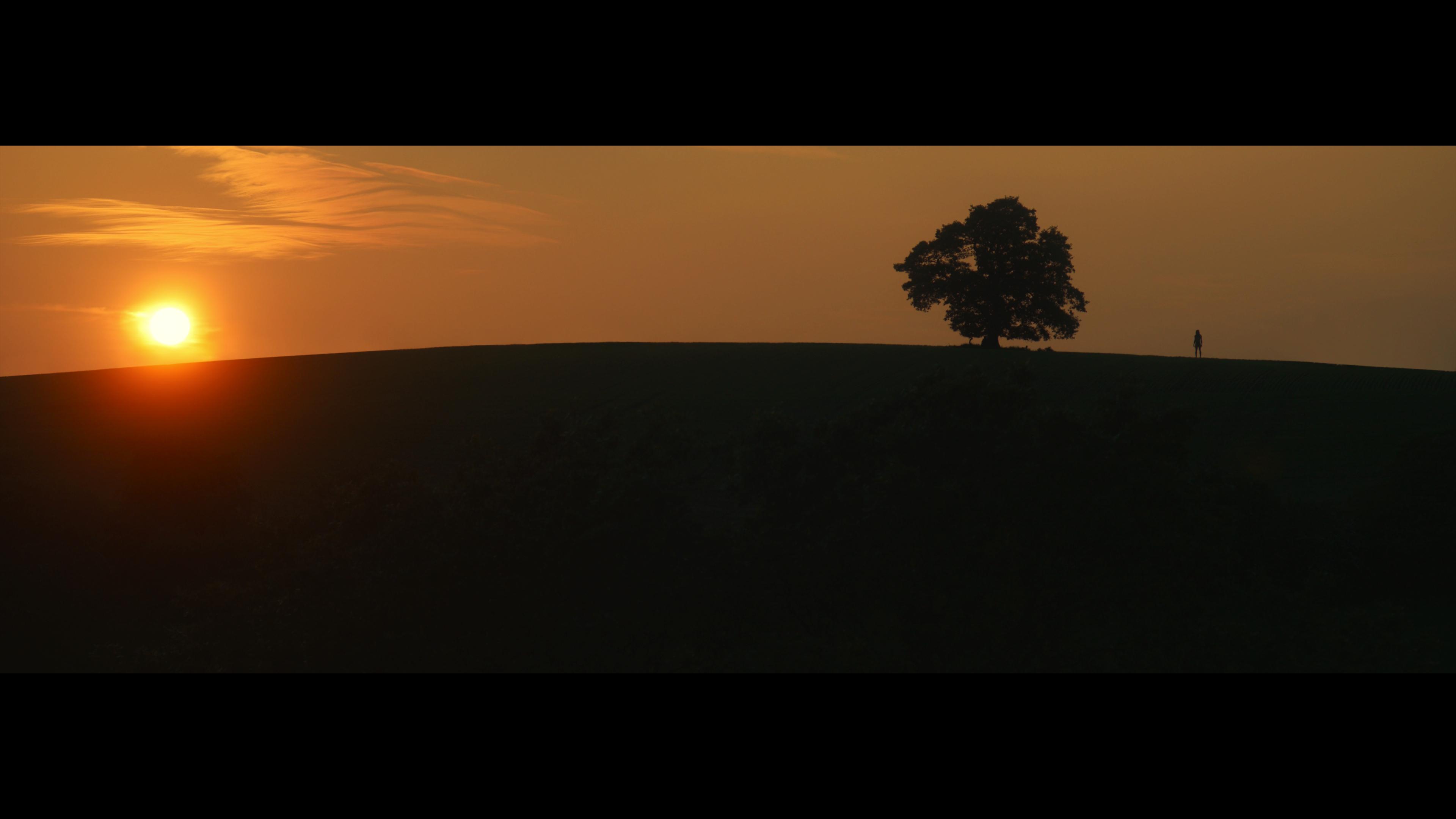
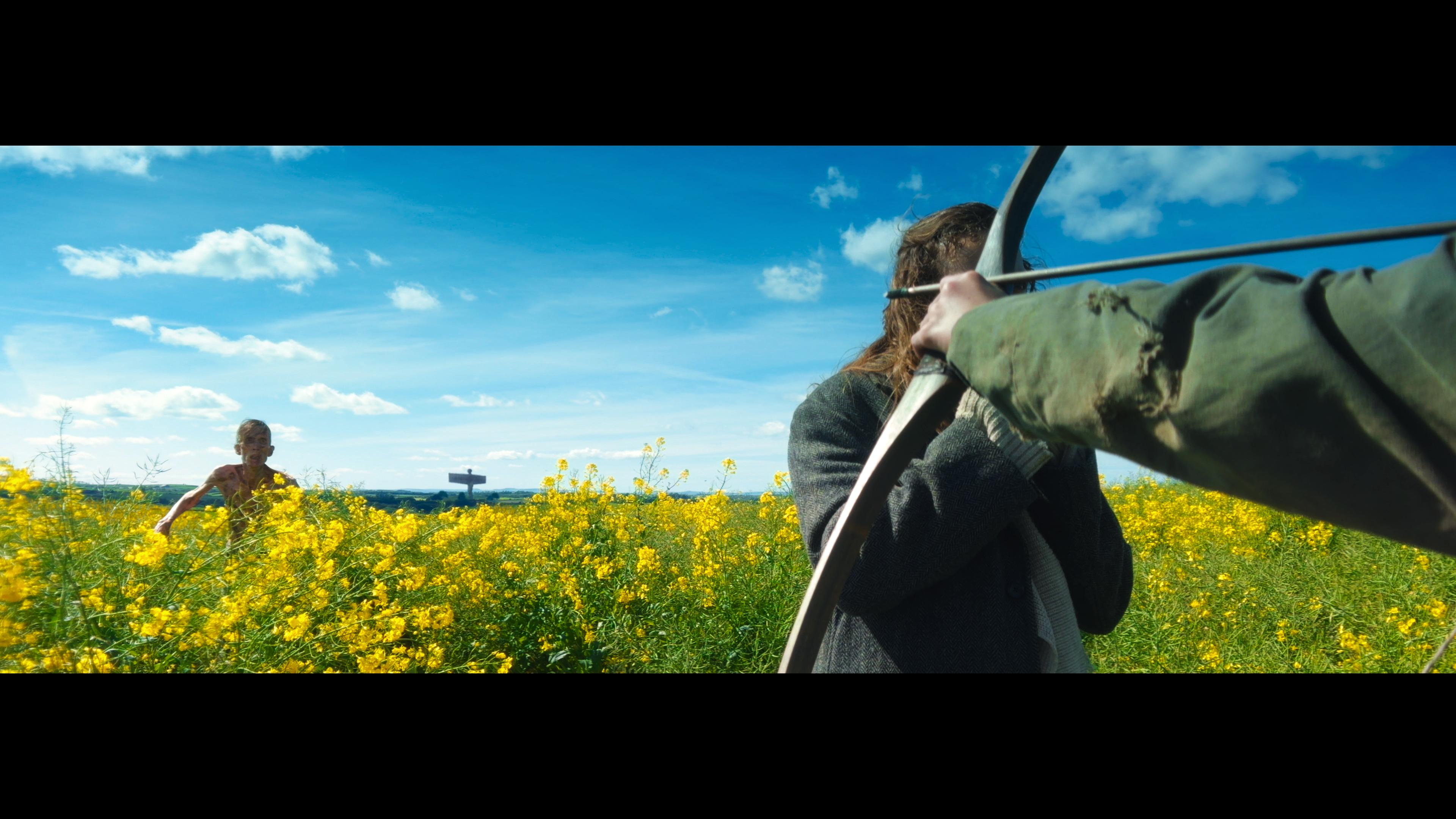
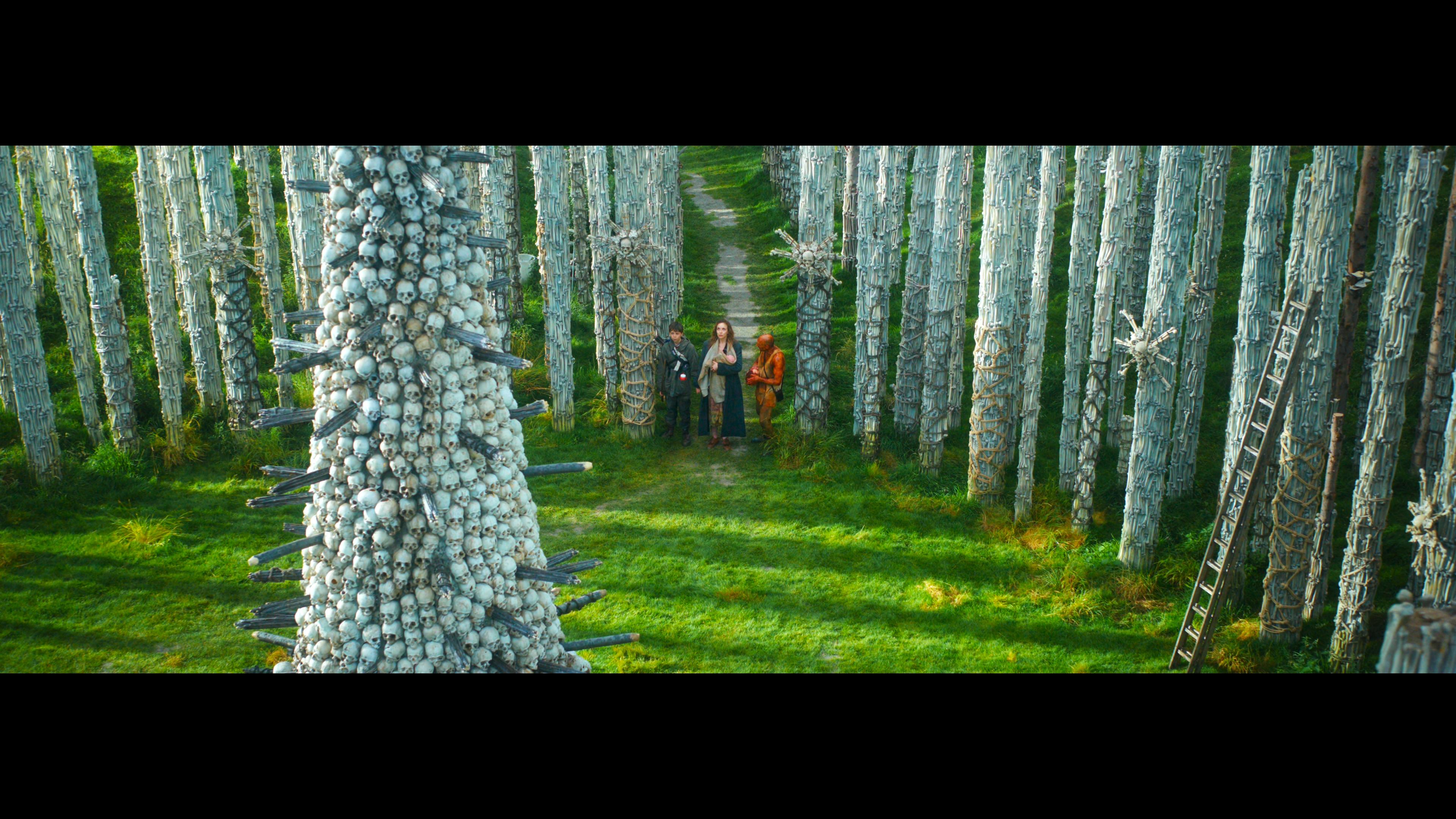
I guess, if there’s a creative issue I’d like to expand on in my review, it’s the visuals. Again, I appreciate the idea behind shooting a feature on cell phone-grade cameras - but why such a severe aspect ratio of 2.76:1? That, coupled with the janky, zippy bullet-cam, makes for a viewing experience that is certainly interesting if not also a bit frustrating. Again, I don’t mind them shooting on the cameras they chose; it fits aesthetically. But, like old commercial-grade cameras, there are some anomalies to contend with. Occasionally, there’s some odd blocking in the image, or details will soften, almost as if there’s an auto-focus fighting what the scene was set at, a good example of that is when Spike is talking to his grandfather after coming home from the mainland. While there are oddities here and there, the transfer is overall quite good-looking for what it delivers. Details are nicely captured. Gore and viscera makeup are prioritized, and the attention to detail for the apocalyptic scenery of the mainland against the survivor’s island sanctuary is striking. The Dolby Vision HDR grade helps quite a bit, balancing black levels and contrast while also highlighting the color choices. This is just a film where sometimes the visuals are in service to style over story. When they serve the story, it’s a beautiful-looking feature. When they’re in the service of style, that’s when things get a little wonky.
Audio Review
Where this film (and this disc) wins the day is with the excellent Dolby Atmos audio mix. Right from the jump, we’re treated to the haunting juxtaposition of increasing horror and chaos outside of a small English home against the playful antics of the Teletubbies. It’s a terrific contrast in the soundscape that sets the stage early for a dynamic and exciting mix! Sounds of the island-dwellers milling about their daily routines, the screams of Infected, the chaos of an attack, and stampeding deer all find their way to rumble through the channels. Crows fleeing swirl about the overhead channels - it’s good stuff. For the big action-fueled sequences, the subs enjoy plenty of enhanced LFE rumble. Throughout the madness, the dialogue is clear without issue, and the Young Fathers score fills in the soundscape beautifully.
Special Features
As for the bonus features for 28 Years Later, we get good content in very short, small containers. Each featurette is focused and interesting, but they’re not very elaborate or expansive. We get little open windows of insight into the production for various aspects of makeup or shooting the film or the cameras, but they never get into granular detail for long. And without a commentary or dedicated “Making-Of” documentary, I have to say this is a rather limp selection of extras for a film that fans have waited nearly two decades to see.
- Days To Years (HD 6:34)
- Capturing the Chaos (HD 5:26)
- The Survivors (HD 5:57)
- Becoming the Infected (HD 5:47)
- Behind the Cameras (HD 7:26)
- Previews
As much as I love Danny Boyle, he can also frustrate me quite a bit. An ace for staging character drama with exciting, intense visuals and sound design, there are times he can take the pizazz too far. 28 Years Later is a devastating coming-of-age drama smashed into the scenery of a horrifying post-apocalyptic wasteland. It’s a brilliant story that’s often a terrifying extension of what we saw back in 2002. And when it’s focused, when it’s on point, it’s everything I could have hoped for, and more. However, some of Boyle’s unfortunate tendencies to push the style in front of the story sidelined a lot of the effort, in my opinion. But, in the end, that is just a small gripe against an exhilarating return for a dormant franchise. The performances are key to the success of this film, and the cast delivers in spades. I could go on about Comer and Fiennes and how much emotional weight they bring to the show, but it’s young Alfie Williams who carries the film and this franchise sub-trilogy forward. On 4K UHD, the film picks up a solid transfer that accentuates the stylish visuals, exceeded only by the excellent Atmos audio mix. Bonus features, while interesting, are unfortunately slim. As we move into The Bone Temple for review, I’m calling this franchise rebirth Recommended
-
 Turbine Gasses Up For Texas Chainsaw Massacre 4K UHD Mediabook Legendary BundleBy:
 -
 Strange Bedfellows: Why Horror is a Natural Fit for 4K UHD & Blu-ray Physical MediaBy:
 -
 Turbine Is Back In Action for John Watts’ ‘Clown’ on 4KUHD Mediabook November 13th!By:
 -
 The Horror of 'Clown in a Cornfield' Comes Home With A 4K UHD SteelBook from RLJE Sept. 9th!By: